The outside of a medicine might appear good, but that does not tell us whether it was prepared properly. Was the right ingredient used? Was the equipment clean, too? Did you store the batch at the appropriate temperature? This information is important since drugs are applied to cure actual medical conditions.
This is where quality assurance in the pharmaceutical industry comes in. Quality assurance (QA) is applied within the entire manufacturing procedure to minimize errors and ensure that medicines are manufactured in a regulated and uniform manner.
What Is Quality Assurance in the Pharmaceutical Industry?
Quality Assurance (QA) is a system that a pharmaceutical company adheres to in order to keep its products at a high quality. It is not a single test that is performed at the end of the production. QA is applied prior, throughout, and following a medicine being made.
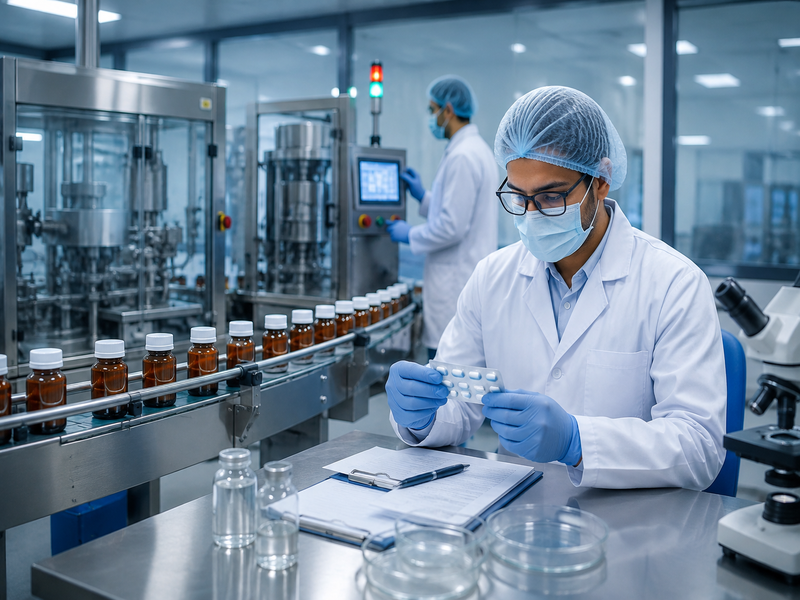
Think about a tablet production line. Raw materials are received by the company, stored, weighed, mixed, the tablets are created, the batches are packaged, and the tablets are finally launched. There are instructions and records of each step. QA assists in ensuring that such instructions have been adhered to and that the work has been taken care of.
Good Manufacturing Practices (GMP) is also regulated by QA. GMP establishes key prerequisites for producing medicines in a controlled manner. This involves clean work areas, proper equipment, skilled labour, proper records and certified working procedures.
What Is the Quality Assurance Role in the Pharmaceutical Industry?

The quality assurance aspect of the pharmaceutical business starts way before a completed medicine makes it to the patient.
Checking Documents and Records
Pharmaceutical work creates a lot of records. These can be Standard Operating Procedures (SOPs), batch, equipment, and validation documents. Checks and approves valuable documents. Good records also enable easy determination of what occurred during the production of a given batch.
Ensuring GMP is Observed.
It is not sufficient to have the GMO rules on paper. They must be adhered to on the production floor. QA verifies that staff utilise approved procedures, finish appropriate records, and conduct the necessary cleaning, production, packing and storage.
Looking Into Mistakes and Deviations
Not all production runs are performed as expected. A machine can come to a halt, a temperature indicator can shift out of range, or a step can be skipped. All these must be documented and examined. QA assists in determining what, why and whether the product might have been affected.
Managing CAPA
Once a problem is identified, it might not be sufficient to fix it only once. Corrective and Preventive Action, also known as CAPA, is adopted to address the root of an issue and reduce the likelihood of the same issue occurring. QA checks and pursues these activities.
Validation and Audits Support.
The pharmaceutical companies require evidence that important equipment, processes and methods of cleaning are working as intended. QA reviews validation work and its records. Internal audits of suppliers and regulatory audits are also included in the team.
Examining Batches Prior to Release.
A finished batch should not be released just because production is complete. It has to check its manufacturing and testing records. QA checks the information required and makes sure that the proper procedures have been observed before passing the batch to the next stage of release.
Why is Pharmaceutical Quality Assurance Important?
Even minor mistakes in manufacturing can cause severe issues. A medicine might have the incorrect quantity of an ingredient, get contaminated or not be of the correct quality required. QA will identify flaws in the process at its early stages and minimise the opportunity of such issues reaching the patient stage.
It also assists pharmaceutical companies to operate in a more regular manner, keep consistent records, fulfil regulations, and address issues in an organised manner.
Conclusion
Quality assurance in the pharmaceutical industry is one of the daily tasks of manufacturing medicines. It includes documentation, GMO, investigations, CAPA, validation, auditing and batch review. Above all, QA keeps the focus on the method of medicine preparation, and not on the performance of the finished product in a final test.