That is an annual event that the pharma industry holds for the approval of its machine learners. For many companies and particularly startups or small to mid-sized firms — it can be expensive and complex to set up in-house manufacturing facilities. This is where the importance of pharmaceutical contract manufacturing comes in.
Pharmaceutical Contract Manufacturing is a business practice in which companies opt to outsource their products manufacturing to specialized third-party manufacturers. Agile models allow companies to devote their time to research, branding and distribution while leaving the production phase in the hands of experienced partners.
What is Pharmaceutical Contract Manufacturing?
Pharmaceutical Contract Manufacturing Process These products are marketed and sold under the name of the company that hired them.
A contract manufacturer takes care of many aspects of production, ranging from sourcing raw materials and manufacturing to quality testing and packaging. Having this happens, businesses can access innovative production facilities without incurring massive infrastructure expenses.
Pharmaceutical Contract Manufacturing: What You Need to Know
Pharmaceutical contract manufacturing is a step-by-step process with several well-defined phases:
Product Selection and Agreement
The company then identifies the products it wants to make and signs a formal contract with a contract manufacturer. It defines what is expected in terms of quality, pricing, timelines, and responsibilities.
Product Development and Formulation
In some cases, the manufacturer will play a role in developing the formulas while in other arrangements it strictly follows a specified formula given by the client.
Raw Material Procurement
The manufacturer develops high quality raw material from authorized suppliers to adhere with regular standards.
Manufacturing Process
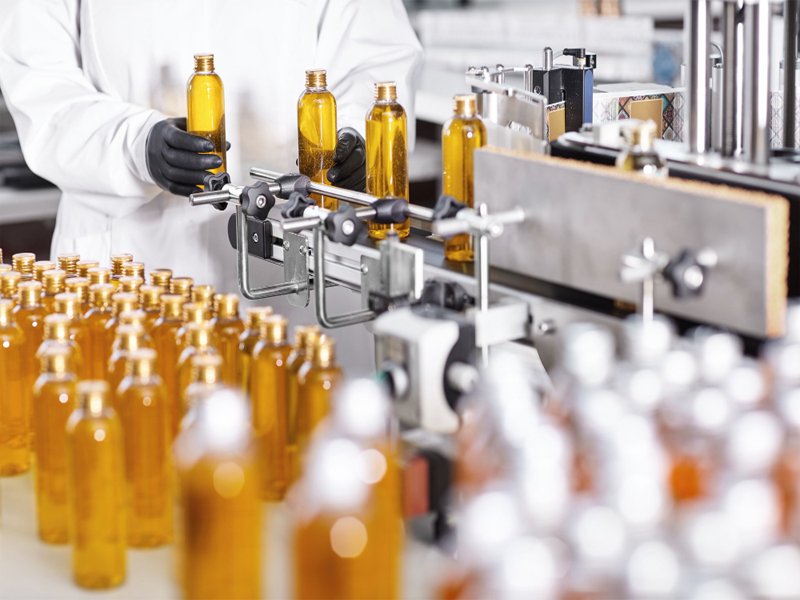
Products are made in certified facilities, with efficient processes and advanced equipment working hand in hand to provide consistency and safety during the manufacturing stage.
Quality Control and Assurance
Each stage of production is stringently quality checked, focusing on regulatory and safety requirements.
Packaging and Delivery
Once the manufacturing process is done, items are packed, labeled, and sent to the customer for distribution.
Benefits of Pharmaceutical Contract Manufacturing
Many companies in the pharmaceutical industry prefer contract manufacturing, due to its several advantages.
Cost Savings
Establishing a manufacturing facility requires extensive capital investment. Production outsourcing results in lowered infrastructure and operational costs.
Access to Expertise
It uses experienced and qualified professionals, as well as advanced technologies to guarantee high-quality production.
Faster Time-to-Market
Product creation and launch are much faster with established infrastructure and processes.
Scalability
Businesses can scale production easily according to the demand, with no concerns about capacity.
Regulatory Compliance
Without other ways to verify the reliability of a contract manufacturer, it is wise to check whether they follow strict industry standards and regulations that ensure their products are safe and compliant.
Ryzer Pharma: Your Reliable Partner for Scalable Contract Manufacturing
Such services offer contract manufacturing support to businesses seeking a reliable and efficient partner like Ryzer Pharma. With robust quality assurance, strict regulatory compliance processes, and scalable production capabilities, these service providers enable companies to bring their products to market quickly without compromising on quality.
Pharmaceutical Contract Manufacturing Service Types
Contract manufacturers provide an extensive scope of service in various pharmaceutical segments, such as:
- Tablets and capsules
- Liquids e.g., syrups and suspensions
- Injectable products
- Topical cream and ointment formulations
- Dietary supplements and nutraceuticals
Such flexibility allows Businesses to manage multiple products without incurring the expenses of specialized manufacturing plants,
Factors of importance to your choice of a CM
Choosing the right pharmaceutical manufacturing partner is critical for your pharmaceutical product success. Below are some key points to keep in mind:
Certifications and Compliance
Check whether the manufacturer follows industry standards like GMP, ISO, and other regulatory guidelines.
Manufacturing Capabilities
Check if the manufacturer has the infrastructure and experience to accommodate your product needs.
Quality Assurance Systems
Robust quality control processes are vital for assuring product safety and consistency.
Transparency and Communication
A good partner will keep an open line of communication with you at every stage in manufacturing, sending updates along the way.
Challenges of Pharmaceutical Contract Manufacturing
Although contract manufacturing has many advantages, it also has some challenges:
- Manufacturer-dependent for quality and timeliness
- Throughout with no direct control over production processes
- Potential risks regarding IP
- careful vendor selection
- Due diligence and audits can help avoid these risks, of course.
The Rise of Contract Manufacturing in Pharma
Contract manufacturing is growing due to the rising demand for pharmaceuticals as well as to meet compliance needs and provide cost efficiency. It helps businesses maintain their competitive edge while emphasizing innovation and growth in new markets.
Further, improvements in manufacturing technology and global supply chains have made contract manufacturing more affordable and dependable than ever.
Conclusion
Top 5 Benefits of Pharmaceutical Contract Manufacturing This means that businesses can save costs, expedite production and secure industry-level compliance while partnering with seasoned manufacturers.
Frequently Asked Questions (FAQs)
What is contract manufacturing and third-party manufacturing?
These terms are frequently used in place of one another. They call this outsourcing production—despite contract manufacturing sometimes also covering additional services, such as formulation development.
Can small pharmaceutical companies benefit from contract manufacturing?
Yes, this model particularly suits small and mid-sized companies since they are free from large capital investments and infrastructure.
How do companies prevent contract manufacturers from compromising on quality?
Companies maintain quality by selecting accredited manufacturers, auditing them, and creating strict QC agreements etc.
Do coat manufacturers for large-scale manufacture?
Yes, most of the established contract manufacturers can give you flexibility in terms of production scale, i.e., they support both batch and large-scale production.